
Conveyor Maintenance Made Easy: Keep Your E-ZLIFT Conveyor Running Smoothly

If your business relies on material handling equipment, then you know how essential reliable conveyors are to everyday operations. At E-ZLIFT Conveyors, we design conveyor systems that are durable, efficient, and easy to use. Even so, proper conveyor maintenance is critical to ensuring your equipment continues to perform well over time. With the right care routine, you can prevent costly downtime, extend the life of your conveyor, and keep your job site running at peak productivity.
In this guide, we break down key actions you can take to simplify conveyor maintenance, make them part of your routine, and avoid common problems before they become major issues.
Why Conveyor Maintenance Matters
Conveyor systems often operate in tough environments. Dust, dirt, debris, and heavy loads are everyday challenges for equipment that moves materials. Without regular conveyor maintenance, belts can slip or fray, rollers may seize, and motors can experience excessive wear. A proactive maintenance plan helps you catch signs of wear early, reduce the possibility of unexpected failures, and keep your conveyors operating efficiently and safely.
With E-ZLIFT Conveyors built from high strength steel and engineered for rugged use, proper conveyor maintenance ensures you maximize your investment and minimize disruptions.
Start With Simple Visual Inspections
One of the most effective and easiest parts of conveyor maintenance is to perform daily visual inspections. A quick walk-around check can reveal early signs of trouble, such as:
- Visible belt wear, cuts, or tears
- Misaligned rollers or pulleys
- Loose or missing hardware
- Accumulated debris on the belt or idlers
These quick inspections help you spot issues before they lead to bigger problems. Regular visual checks are especially useful when conveyors are used heavily or in dusty conditions.
Keep Belts Clean and Clear
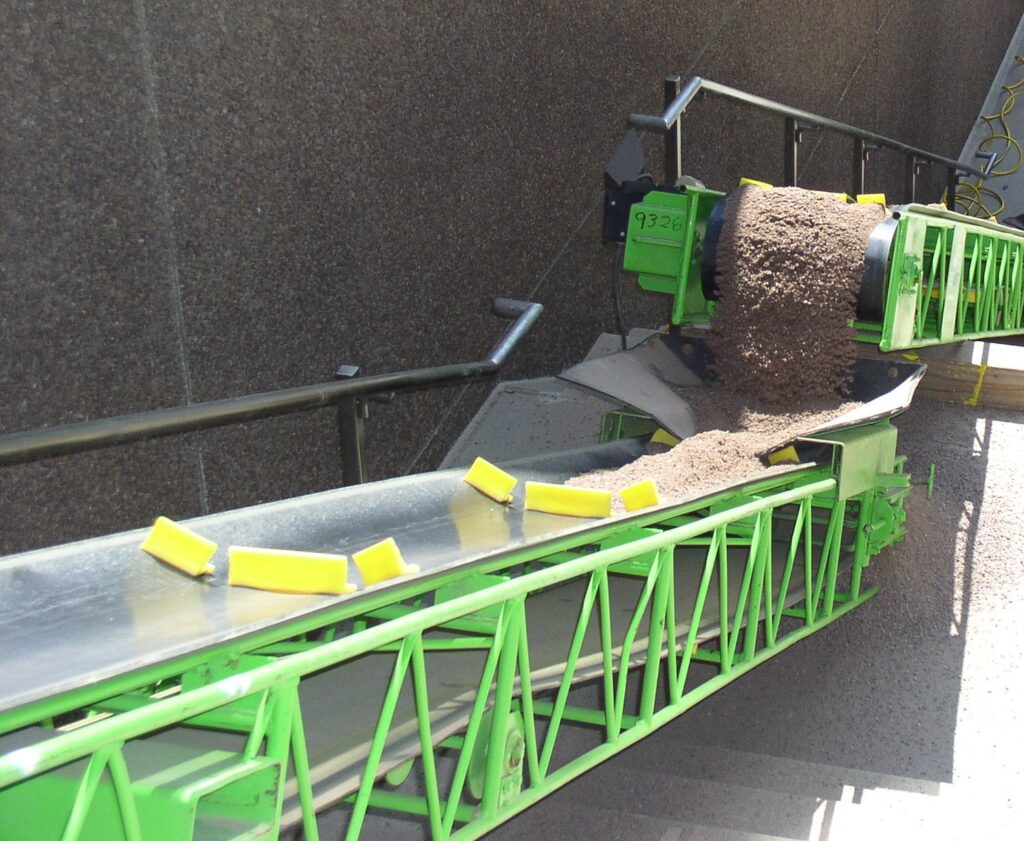
Dirt, sand, rocks, and other materials can build up on belt surfaces and rollers over time. Not only does this reduce efficiency, it also contributes to premature wear. As part of your conveyor maintenance routine, clean the belt and components regularly. Even simple brushing or sweeping can make a difference. For conveyors exposed to heavy debris, consider pressure washing or installing cleaning accessories to reduce buildup and conveyor belt tracking issues.
Check Belt Tension and Alignment
Proper belt tension and alignment are central to good conveyor performance. If a conveyor belt is too loose, it may slip under load. If it is too tight, it places unnecessary stress on the motor and bearings. Uneven belt tracking also accelerates wear on belt edges and rollers.
As part of conveyor maintenance, make sure your belt tracks straight and true, with the correct tension according to manufacturer recommendations. Regular checks and adjustments help prevent problems like mistracking and edge damage.
Inspect Rollers and Moving Parts
Rollers and idlers play a major role in smooth material transfer. During routine conveyor maintenance, examine each roller for signs of wear, flat spots, or binding. Rollers should spin freely and quietly. If you notice resistance, noise, or uneven motion, replace the affected component before it damages other parts of the conveyor system.
In addition to rollers, check bearings and other moving parts for wear and lubricate them as needed. Proper lubrication reduces friction and helps components last longer.
Watch Electrical Components Closely
For powered conveyors, electrical performance is a key part of conveyor maintenance. Inspect motors, wiring harnesses, and electrical control panels regularly for signs of wear, overheating, or loose connections. Job sites with dust, moisture, and vibration can accelerate electrical wear, so it is important to check these areas frequently.
Prioritize Safety Checks
Maintenance and safety go hand in hand. As part of your conveyor maintenance routine, test safety features such as emergency stops, guards, and switches. Ensure that guards and shields are secure and in place. Regular safety checks protect both your equipment and your crew, helping prevent injuries and costly accidents while keeping conveyors running smoothly.
Build and Follow a Maintenance Schedule
Routine conveyor maintenance is easier when you build a simple schedule and stick to it. A basic maintenance rhythm might include:
- Daily inspection and debris removal
- Weekly belt tension, alignment, and roller checks
- Monthly lubrication, wiring inspection, and safety testing
Keeping a log of maintenance activities also helps you spot recurring issues and plan future service before problems escalate.
Why E-ZLIFT Conveyors Are Easy to Maintain
E-ZLIFT Conveyors are designed to be user friendly and serviceable. Our tubular steel frames are built for durability, yet they are lightweight enough to adjust easily on site. With the right conveyor maintenance habits, your E-ZLIFT conveyor can deliver reliable performance for years. Whether you are moving soil, roofing materials, pallets, or debris, a well-maintained conveyor performs better and costs less to operate over its lifetime.