How Conveyors for Rent Help Reduce Labor and Improve Jobsite Efficiency

On today’s jobsite, time and labor costs can make or break a project. Whether you are working in construction, roofing, demolition, or material handling, moving materials efficiently is one of the biggest challenges teams face. This is where conveyors for rent become a practical and powerful solution.

Instead of relying on manual hauling, wheelbarrows, or multiple crew members, conveyor rentals rent allow you to streamline material movement, reduce strain on workers, and keep projects moving forward with less downtime.

Why Labor Efficiency Matters More Than Ever

Labor shortages and rising wages are forcing contractors to rethink how work gets done. Tasks that once required several workers can now be completed with fewer people when the right equipment is in place.

Using conveyors for rent directly addresses this challenge by reducing the number of workers needed to transport materials. Instead of assigning multiple crew members to carry debris, dirt, or roofing materials, a single conveyor system can handle continuous movement across the jobsite.

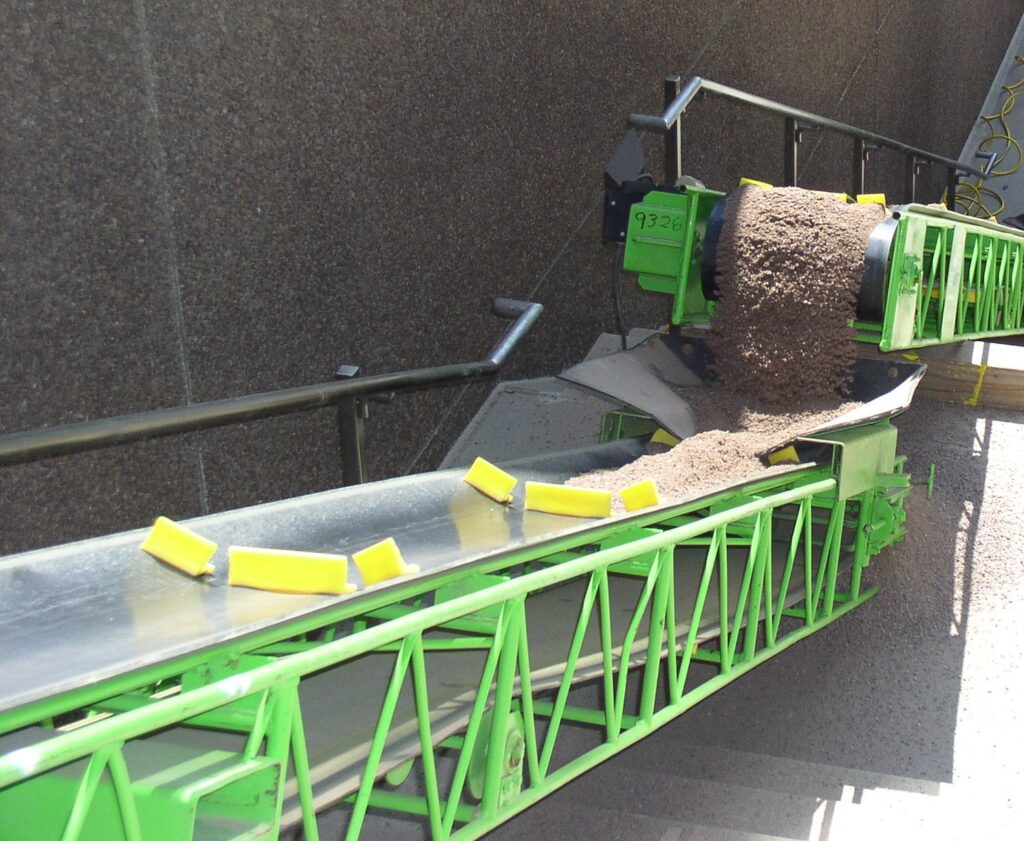
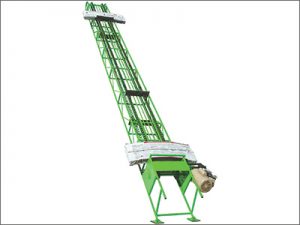
E-ZLIFT conveyors are designed to support a wide range of applications, including dirt, roofing materials, sludge, and bulk material handling, making them a flexible solution for many industries.

Reducing Physical Strain and Worker Fatigue

Manual material handling is one of the most physically demanding aspects of any jobsite. Repetitive lifting, carrying, and hauling can quickly lead to fatigue, slower productivity, and even injuries.

One of the biggest advantages of conveyors for rent is the reduction in physical strain. Instead of lifting heavy loads repeatedly, workers can focus on loading and monitoring the conveyor system. This shift not only improves efficiency but also supports a safer work environment.

In many cases, conveyors can replace multiple laborers performing repetitive tasks, allowing your team to focus on higher-value work that keeps the project moving.

Faster Material Movement Across the Jobsite

Speed is another major factor when it comes to jobsite efficiency. Traditional methods of moving materials are often slow and inconsistent, especially on large or complex sites.

With conveyor rentals, materials move continuously from one point to another without interruption. Whether you are transporting debris out of a building or moving aggregate into position, conveyors create a steady workflow that eliminates bottlenecks.

Many E-ZLIFT conveyor models can also be linked together to cover longer distances or navigate elevation changes, which helps maintain productivity even on challenging jobsite layouts.

Flexibility for Different Job Types

Every project is different, which is why flexibility matters. One of the key benefits of conveyors for rent is the ability to choose the right equipment for each specific job without committing to a long-term purchase.

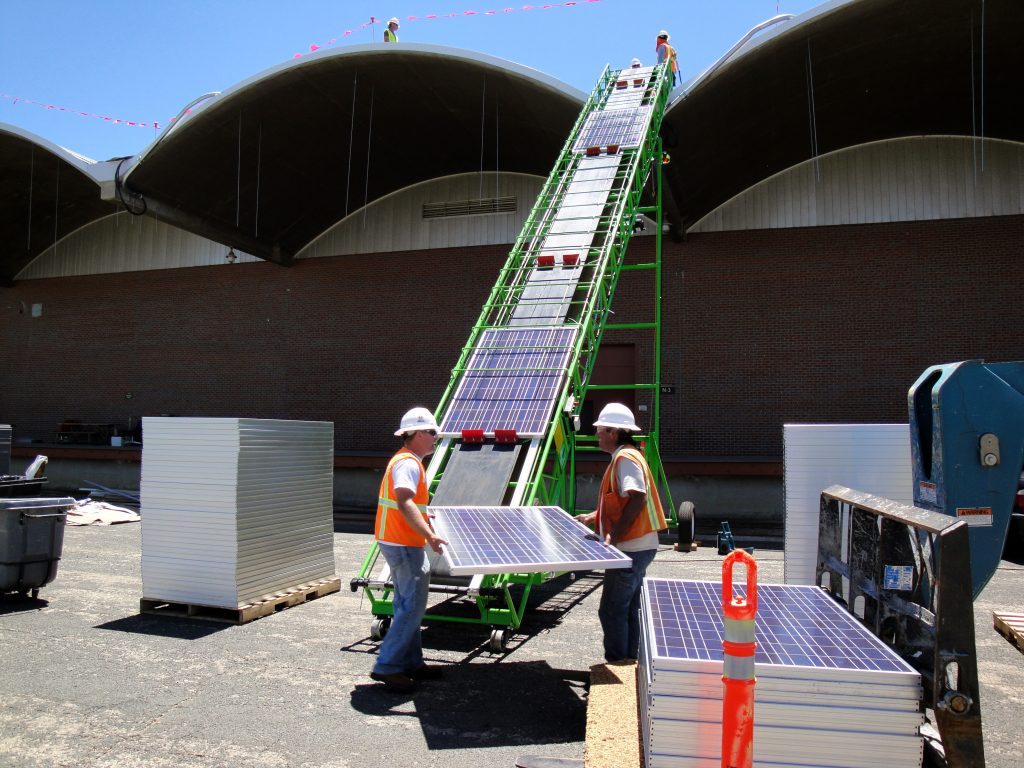
E-ZLIFT offers a range of conveyor types designed for different applications. For example, troughing-slider conveyors are highly versatile and can handle loose materials, boxes, and debris, while belt bucket conveyors are ideal for moving materials up steeper inclines.

Because conveyors are available through rental partners across the United States and Canada, contractors can access the equipment they need when they need it, without worrying about storage or maintenance.

Lower Equipment Costs Without Sacrificing Performance

Purchasing a conveyor system can require a significant upfront investment, especially for high-quality equipment. For many businesses, that investment does not make sense for short-term or seasonal projects.

This is where conveyors for rent provide a clear advantage. Renting allows you to access reliable, professional-grade equipment without the long-term financial commitment. It also gives you the flexibility to scale your equipment needs up or down depending on the project.

By reducing both labor costs and equipment expenses, conveyors for rent deliver a strong return on investment for contractors and project managers alike.

Improving Jobsite Workflow and Productivity

Efficiency is not just about speed. It is about creating a workflow that allows every part of the jobsite to operate smoothly. When materials move efficiently, crews can stay focused, timelines stay intact, and projects are completed with fewer disruptions.

Conveyors for rent help create that kind of workflow by eliminating unnecessary steps in material handling. Instead of stopping work to move materials manually, teams can rely on a consistent system that keeps everything moving.

Portable conveyor systems also offer easy setup and mobility, allowing crews to reposition equipment quickly as the project evolves. This adaptability plays a key role in maintaining productivity across different phases of a job.

Work Smarter with E-ZLIFT Conveyors
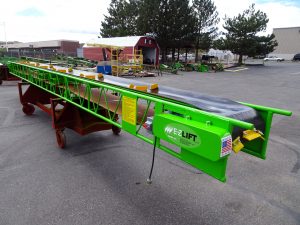
conveyors for rent

When it comes to improving efficiency, reducing labor, and keeping projects on schedule, conveyors for rent offer a smarter way to get the job done. They simplify material handling, improve safety, and allow your team to accomplish more with fewer resources.

E-ZLIFT has built its reputation on delivering portable, reliable conveyor solutions designed for real jobsite conditions. Whether you are managing a roofing project, demolition site, or material transfer operation, conveyors for rent from E-ZLIFT can help you work more efficiently from start to finish.

If you are looking for a way to reduce labor demands while improving overall jobsite performance, E-ZLIFT conveyors are ready to support your next project.
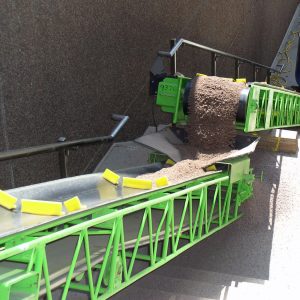
Conveyor Safety: Best Practices for Injury Prevention on the Job Site

Conveyors are essential tools across construction, roofing, landscaping, and demolition sites—but they must be used with care. At E-ZLIFT Conveyors, we build our systems to enhance jobsite productivity without compromising safety. Still, equipment alone can’t prevent accidents. The foundation of a safe worksite is a crew that follows proper conveyor safety practices.

Whether you’re moving dirt, roofing tiles, or tires, knowing how to operate and maintain conveyors safely is critical. This guide outlines key precautions crews should take—and highlights one of E-ZLIFT’s most safety-forward conveyors: the Chain & Flight Towable Elevating Carriage (CF-TEC).

Why Conveyor Safety Should Come First

According to OSHA, conveyors are among the top sources of injuries on job sites—often due to pinch points, sudden starts, overloading, or unstable ground setups. Fortunately, many of these risks can be avoided through proper training, good communication, and selecting the right equipment for the job.

E-ZLIFT’s lineup of portable conveyors is designed to help reduce these risks through features that promote safe use in rugged, dynamic environments.

Loading, Positioning & PPE: Fundamentals That Matter

Improper loading is one of the most common conveyor safety hazards. Uneven or excessive loads can cause belt wear, jams, or even tipping in unstable conditions. Each E-ZLIFT conveyor is engineered for specific material types and weight limits. For example, the Troughing-Slider Conveyor is designed for loose-fill materials like sand or gravel, while the Chain & Flight Conveyor is ideal for heavy bricks or shingles.

Key conveyor safety reminders:

  • Confirm loads are evenly distributed and within spec
  • Set up conveyors on solid, level ground
  • Use caster brakes and adjustable stands for added stability
  • Wear PPE like gloves, eye protection, and steel-toed boots
  • Establish clear start/stop signals among crew members

Control Systems & Moving Parts

Many E-ZLIFT models include optional control upgrades such as toggle switches, forward/reverse settings, and variable-speed drives. These help crews fine-tune material flow—but also require proper handling. Changing speeds too quickly or reversing directions mid-load can lead to dropped materials or belt stress.

Conveyors also contain pinch points around belts and rollers. These areas should always be guarded and never accessed while the system is running.

Pro tip: Always power down and unplug before servicing, inspecting, or repositioning any conveyor.

Spotlight on the Chain & Flight Conveyor: Safety by Design

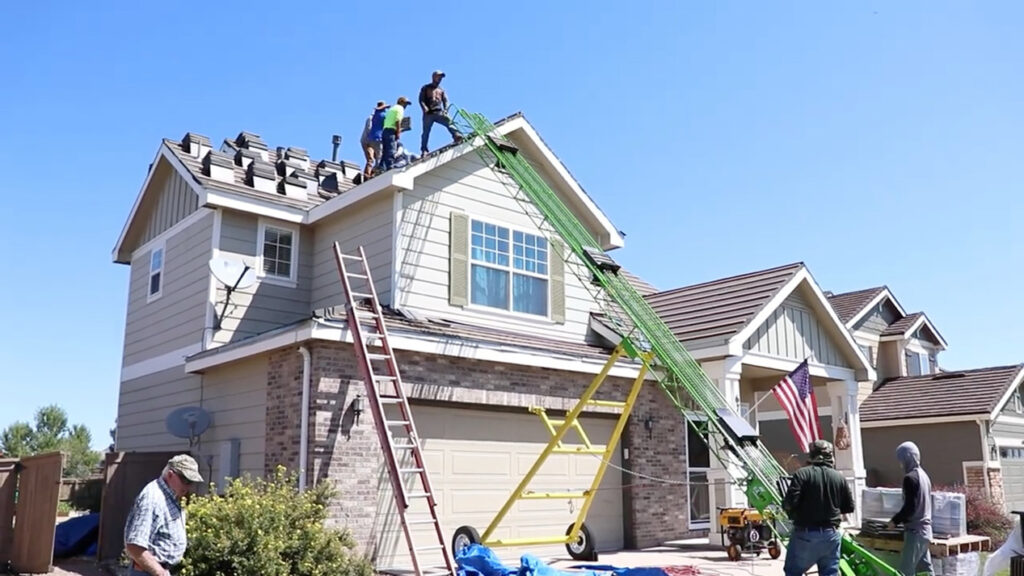
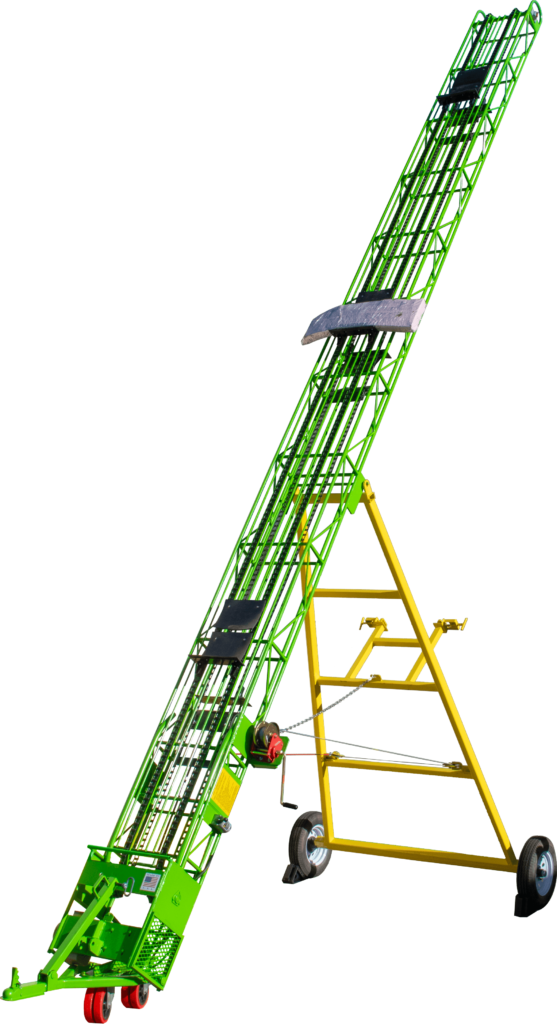
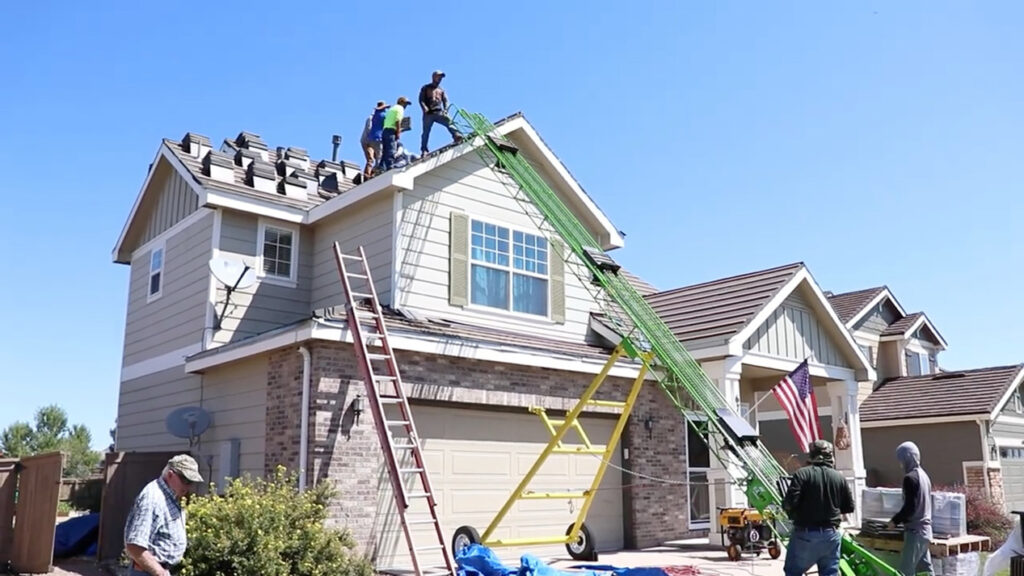
The Chain & Flight Towable Elevating Carriage (CF-TEC) stands out for its jobsite-ready safety features. Built for roofing professionals, it allows crews to lift tiles and mortar efficiently without the risks associated with manual hoisting or ladders.

Here’s how the CF-TEC supports conveyor safety:

conveyor safety- e-z lift
  • Controlled Lifting: Brake hand winch, pulley system, and safety chain help secure materials in transit
  • Padded Flights: Secure shingles and tiles on steep inclines without slippage
  • Towable Design: Pneumatic trailer wheels and swivel casters simplify transport and reduce strain
  • Minimal Manpower Needed: Two-person setup in under four minutes
  • Stable Operation: Ideal for uneven terrain where forklifts or boom trucks can’t operate
  • Dual Direction: Can be used for both lifting and demolition tear-offs

By integrating these features, the CF-TEC reduces the need for unsafe lifting, minimizes strain, and keeps workflows efficient and injury-free.

Built-In Conveyor Safety That Works for You

Across E-ZLIFT’s lineup, safety is more than an afterthought—it’s built into every model. Our conveyors are lightweight, modular, and compatible with helpful accessories like hoppers and adjustable stands. They’re easy to set up, transport, and operate—whether you’re on a residential roof or a remote job site.

Pair that smart design with proper safety protocols, and your crew gains the tools to move faster without cutting corners.Looking to improve conveyor safety on your site?
Explore our full conveyor lineup or reach out to our team for equipment recommendations and setup guidance. Work smarter. Lift safer.

Dirt Conveyors for Sale: A Complete Buyer’s Guide for 2026

When you are ready to upgrade the way your job site moves bulk material, choosing the right dirt conveyors for sale can make all the difference. Whether you are a contractor, landscaper, or excavation specialist, a well-matched conveyor system improves productivity, reduces physical labor, and gives your team more efficient workflow. In this buyer’s guide, we will cover who needs these conveyors, how they work, and the key specifications to consider as you explore dirt conveyors for sale in 2026.

Who Needs Dirt Conveyors

Projects that involve loose materials like dirt, sand, gravel, or construction rubble are the ideal applications for dirt conveyors for sale. If you find yourself moving material up slopes, across distances, or in tight spaces where wheelbarrows or loaders slow you down, a conveyor system brings major advantages. These machines are especially useful for:

  • Basement or trench excavation
  • Landscaping and site grading
  • Construction aggregate handling
  • Demolition cleanup
  • Material transfer to trucks, dumpsters, or stockpiles

E-ZLift Conveyors offers models designed to handle these exact tasks, letting crews focus on the work that matters rather than hauling heavy loads by hand.

How Dirt Conveyors Work

At their core, dirt conveyors use a continuous belt looped around pulleys to move material from one place to another. The drive pulley powers the belt, pulling material up the conveyor’s length. Depending on the model, the belt can be set at a moderate incline or a steep angle to match your job site needs.

Two main types available from E-ZLift include Troughing-Slider Conveyors and Belt Bucket Conveyors:

  • Troughing-Slider Conveyors are versatile and efficient at moving dirt and other loose material over longer distances. These conveyors support cascading multiple units together for extended coverage.
  • Belt Bucket Conveyors excel at climbing steep grades, making them a top choice for basement work or hillside projects where high incline performance is required.

Both types are designed to streamline material flow, optimize labor, and handle a variety of job site conditions.

Key Specs That Matter When Shopping

When evaluating dirt conveyors for sale, paying attention to specifications ensures that you choose the best match for your work. Here are the essential specs to focus on:

Length

Conveyor length determines how far material can travel without interruption. Common lengths for dirt conveyors range from approximately 12 feet up to 36 feet. Shorter conveyors are ideal for compact sites, while longer conveyors cover more ground and may be cascaded together to extend reach.

Belt Width

Belt width impacts how much material moves at once. Wider belts can carry larger volumes, which is especially helpful if you are processing coarse gravel or large debris. Options in the market often range from 14 inches to wider widths depending on the model chosen.

Incline Capability

If your projects involve moving material uphill, incline capability is a top factor. Some conveyors manage moderate slopes, but bucket-style belts in dirt conveyors allow efficient upward movement with minimal rollback, making them useful for basements, hillsides, and loading tasks.

Portability and Setup

Most dirt conveyors for sale are designed to be lightweight and portable. Easy setup and breakdown mean your team spends less time assembling and more time working. Consider how quickly units can be deployed and whether accessories like hoppers or trailer mounts are available.

Practical Buying Tips

As you compare dirt conveyors for sale, here are a few practical tips:

  • Match specs to your workload: Know the typical distance and incline you will handle to choose the right belt and frame size.
  • Consider duty cycle: Frequent use on heavy projects may favor a more robust model with durable components.
  • Ask about support: Warranties and customer service support matter with any equipment investment.

Redundancies in design like self-cleaning pulleys and adjustable belt tension help keep your conveyor working efficiently long after purchase.

Start Your Conveyor Search With E-ZLift

If you are in the market for dirt conveyors for sale this year, E-ZLift Conveyors has options built for real job sites and practical workflows. From versatile Troughing-Slider systems to steep-climbing Belt Bucket designs, their conveyors help reduce manual labor and keep materials moving as your project demands.

Contact E-ZLift today to view detailed specs and find the right dirt conveyors that match your application and budget.

Conveyor Maintenance Made Easy: Keep Your E-ZLIFT Conveyor Running Smoothly

If your business relies on material handling equipment, then you know how essential reliable conveyors are to everyday operations. At E-ZLIFT Conveyors, we design conveyor systems that are durable, efficient, and easy to use. Even so, proper conveyor maintenance is critical to ensuring your equipment continues to perform well over time. With the right care routine, you can prevent costly downtime, extend the life of your conveyor, and keep your job site running at peak productivity.

In this guide, we break down key actions you can take to simplify conveyor maintenance, make them part of your routine, and avoid common problems before they become major issues.

Why Conveyor Maintenance Matters

Conveyor systems often operate in tough environments. Dust, dirt, debris, and heavy loads are everyday challenges for equipment that moves materials. Without regular conveyor maintenance, belts can slip or fray, rollers may seize, and motors can experience excessive wear. A proactive maintenance plan helps you catch signs of wear early, reduce the possibility of unexpected failures, and keep your conveyors operating efficiently and safely.

With E-ZLIFT Conveyors built from high strength steel and engineered for rugged use, proper conveyor maintenance ensures you maximize your investment and minimize disruptions.

Start With Simple Visual Inspections

One of the most effective and easiest parts of conveyor maintenance is to perform daily visual inspections. A quick walk-around check can reveal early signs of trouble, such as:

  • Visible belt wear, cuts, or tears
  • Misaligned rollers or pulleys
  • Loose or missing hardware
  • Accumulated debris on the belt or idlers

These quick inspections help you spot issues before they lead to bigger problems. Regular visual checks are especially useful when conveyors are used heavily or in dusty conditions.

Keep Belts Clean and Clear

Dirt, sand, rocks, and other materials can build up on belt surfaces and rollers over time. Not only does this reduce efficiency, it also contributes to premature wear. As part of your conveyor maintenance routine, clean the belt and components regularly. Even simple brushing or sweeping can make a difference. For conveyors exposed to heavy debris, consider pressure washing or installing cleaning accessories to reduce buildup and conveyor belt tracking issues.

conveyor maintenance

Check Belt Tension and Alignment

Proper belt tension and alignment are central to good conveyor performance. If a conveyor belt is too loose, it may slip under load. If it is too tight, it places unnecessary stress on the motor and bearings. Uneven belt tracking also accelerates wear on belt edges and rollers.

As part of conveyor maintenance, make sure your belt tracks straight and true, with the correct tension according to manufacturer recommendations. Regular checks and adjustments help prevent problems like mistracking and edge damage.

Inspect Rollers and Moving Parts

Rollers and idlers play a major role in smooth material transfer. During routine conveyor maintenance, examine each roller for signs of wear, flat spots, or binding. Rollers should spin freely and quietly. If you notice resistance, noise, or uneven motion, replace the affected component before it damages other parts of the conveyor system.

In addition to rollers, check bearings and other moving parts for wear and lubricate them as needed. Proper lubrication reduces friction and helps components last longer.

Watch Electrical Components Closely

For powered conveyors, electrical performance is a key part of conveyor maintenance. Inspect motors, wiring harnesses, and electrical control panels regularly for signs of wear, overheating, or loose connections. Job sites with dust, moisture, and vibration can accelerate electrical wear, so it is important to check these areas frequently.

Prioritize Safety Checks

Maintenance and safety go hand in hand. As part of your conveyor maintenance routine, test safety features such as emergency stops, guards, and switches. Ensure that guards and shields are secure and in place. Regular safety checks protect both your equipment and your crew, helping prevent injuries and costly accidents while keeping conveyors running smoothly.

Build and Follow a Maintenance Schedule

Routine conveyor maintenance is easier when you build a simple schedule and stick to it. A basic maintenance rhythm might include:

  • Daily inspection and debris removal
  • Weekly belt tension, alignment, and roller checks
  • Monthly lubrication, wiring inspection, and safety testing

Keeping a log of maintenance activities also helps you spot recurring issues and plan future service before problems escalate.

Why E-ZLIFT Conveyors Are Easy to Maintain

E-ZLIFT Conveyors are designed to be user friendly and serviceable. Our tubular steel frames are built for durability, yet they are lightweight enough to adjust easily on site. With the right conveyor maintenance habits, your E-ZLIFT conveyor can deliver reliable performance for years. Whether you are moving soil, roofing materials, pallets, or debris, a well-maintained conveyor performs better and costs less to operate over its lifetime.

Construction Conveyor Safety: Best Practices and OSHA Tips for Safer Jobsites

Safety is a top priority on any jobsite, especially when heavy materials are constantly on the move. A construction conveyor plays a critical role in improving efficiency, but without proper safety measures, it can also introduce risks. Understanding best practices and OSHA guidance helps contractors protect workers, reduce downtime, and get the most value from their equipment.

This guide breaks down construction conveyor safety in a clear, practical way so crews can work smarter and safer on every project.

Why Construction Conveyor Safety Matters

A construction conveyor reduces the need for manual lifting, hauling, and repetitive movement. That alone helps lower the risk of strains and injuries. However, conveyors involve moving belts, motors, electrical components, and elevated sections that must be handled correctly.

OSHA identifies conveyor systems as equipment that requires proper training, guarding, and maintenance. When safety steps are ignored, even a reliable construction conveyor can become a hazard. When safety is prioritized, conveyors significantly improve productivity while keeping crews protected.

OSHA Guidelines Contractors Should Know

OSHA does not publish a single standard dedicated only to conveyors, but multiple regulations apply directly to construction conveyor use. Key OSHA principles include:

  • Proper machine guarding to prevent contact with moving parts
  • Electrical safety compliance for motors and controls
  • Training workers on safe startup, shutdown, and emergency procedures
  • Maintaining clear walkways around equipment

Following OSHA guidance helps ensure that every construction conveyor on site meets baseline safety expectations and reduces liability for contractors and site managers.

Proper Setup Is the First Safety Step

Many conveyor related accidents happen during setup. Before powering on a construction conveyor, crews should inspect the area and confirm stable placement.

Important setup considerations include:

  • Ensuring the conveyor is placed on level ground
  • Securing wheels or supports to prevent shifting
  • Confirming incline angles stay within manufacturer recommendations
  • Keeping the conveyor path clear of foot traffic

E-ZLIFT conveyors are designed for portability, but even portable systems require careful placement to maintain safety throughout the job.

Construction Conveyor

Guarding Moving Parts and Pinch Points

One of the most important safety measures for any construction conveyor is guarding. Moving belts, rollers, and drive components can create pinch points that pose serious risks.

Best practices include:

  • Never removing factory installed guards
  • Keeping hands, clothing, and tools away from moving components
  • Shutting down the conveyor before clearing jams
  • Making sure guards are secure after maintenance

OSHA frequently cites missing or damaged guards during inspections, making this a critical area of compliance.

Training Operators and Crew Members

A construction conveyor should only be operated by trained personnel. Training does not need to be complicated, but it must be consistent.

Operators should understand:

  • How to start and stop the conveyor safely
  • Weight and material limits for the system
  • Emergency stop procedures
  • How to identify abnormal sounds or movement

When everyone on site understands how the construction conveyor operates, accidents are far less likely to occur.

Safe Loading and Material Handling

Overloading is a common issue that affects both safety and equipment lifespan. Each construction conveyor is designed for specific material types and capacities.

To improve safety:

  • Load materials evenly across the belt
  • Avoid dropping heavy debris from excessive heights
  • Never exceed rated capacity
  • Use hoppers or chutes when appropriate

E-ZLIFT offers accessories that help control material flow and reduce spillage, making loading safer and more efficient.

Electrical and Lockout Safety

Construction conveyors powered by electricity must meet electrical safety requirements. Lockout and tagout procedures are essential during maintenance or repairs.

OSHA recommends:

  • Disconnecting power before servicing
  • Locking controls to prevent accidental startup
  • Clearly labeling switches and controls
  • Inspecting cords and plugs regularly

Electrical safety ensures the construction conveyor does not pose hidden risks during routine operation or service.

Routine Maintenance Keeps Jobsites Safer

A well maintained construction conveyor is a safer conveyor. Daily inspections can catch issues before they become problems.

Maintenance checks should include:

  • Inspecting belts for wear or damage
  • Checking fasteners and supports
  • Ensuring guards are intact
  • Verifying emergency stops function properly

E-ZLIFT conveyors are built for durability, but regular maintenance keeps them operating safely and reliably over time.

Building a Culture of Safe Material Movement

Safety is not a one time checklist. It is an ongoing mindset. When contractors choose the right construction conveyor, follow OSHA guidance, and train crews properly, conveyors become one of the safest tools on the jobsite.

E-ZLIFT designs construction conveyor solutions with safety, portability, and performance in mind. By combining reliable equipment with proven safety practices, contractors can move materials efficiently while protecting the people who matter most.

The Top 5 Job Types That Benefit Most from Conveyor System Rentals

On any job site, time and labor efficiency are everything. Whether you’re moving debris, aggregate, or materials from one level to another, a reliable conveyor system can make a major difference. Conveyor system rentals from E-ZLIFT Conveyors provide a fast, flexible, and cost-effective way to streamline material handling for short-term or seasonal projects. Instead of investing in equipment you may only need occasionally, renting allows you to scale up quickly and get the job done with minimal downtime.

E-ZLIFT offers a full line of portable conveyors designed for every type of project—from heavy-duty demolition sites to agricultural operations. Here are the top five job types that benefit most from conveyor system rentals, along with the ideal E-ZLIFT models for each.

1. Roofing Projects

Roofing jobs often involve moving shingles, tiles, and debris to and from elevated surfaces. Manual handling is not only time-consuming but also risky. E-ZLIFT’s Troughing-Slider Conveyor is perfect for these applications, providing smooth material flow up or down roof slopes. By using conveyor system rentals, roofers can complete projects faster, reduce lifting-related injuries, and keep worksites cleaner.

Because E-ZLIFT conveyors are lightweight and portable, they can be easily set up near scaffolding or building edges, helping teams stay productive without constant hauling.

2. Demolition and Construction Debris Removal

Few tasks are more physically demanding than clearing demolition debris from upper floors or tight spaces. A Belt Bucket Conveyor makes this process significantly safer and faster. Instead of moving heavy rubble by hand or wheelbarrow, you can transport it directly to disposal bins or trucks with continuous flow.

For demolition companies, conveyor system rentals eliminate the need to purchase expensive material-handling equipment that may only be used occasionally. Renting ensures you have access to high-quality, well-maintained units whenever you need them, without storage or maintenance costs.

3. Basement Excavation and Material Transfer

Working below ground presents unique challenges for contractors. Getting soil, sand, or gravel out of a basement excavation site by hand is labor-intensive and inefficient. E-ZLIFT’s Troughing-Slider and Belt Bucket Conveyors offer reliable performance in confined areas. These conveyors can move large volumes of material up steep inclines, allowing you to maintain continuous excavation and backfill cycles.

Using conveyor system rentals for basement excavation helps reduce labor hours, minimize worker fatigue, and keep project timelines on track. Because E-ZLIFT models are modular and easy to link, they adapt perfectly to varied site layouts and elevations.

4. Aggregate and Material Handling

For contractors managing gravel, sand, or stone, speed and durability matter. E-ZLIFT’s Chain & Flight Conveyor is built for tough aggregate applications, capable of handling abrasive materials with ease. By choosing conveyor system rentals, operators can handle bulk materials efficiently without investing in permanent systems.

Rental conveyors also allow you to quickly expand your setup when larger volumes or longer transport distances are required. This flexibility is especially valuable for short-term infrastructure, landscaping, or site prep projects where mobility is key.

5. Hay Bale Conveying in Agricultural Settings

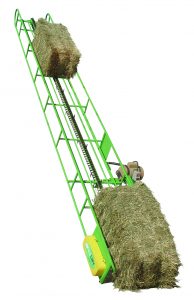
In agricultural operations, transporting hay bales up to lofts or barns can be physically demanding. E-ZLIFT’s Hay Bale Conveyor is designed to move square bales safely and efficiently, making it a popular choice among farmers and ranchers.

With conveyor system rentals, you can bring in the right equipment for harvest season or during periods of heavy activity—without the year-round ownership costs. This ensures optimal use of equipment only when it’s needed most, helping improve productivity across your operation.

conveyor system rentals

Why Choose E-ZLIFT for Conveyor System Rentals

E-ZLIFT Conveyors provides a wide range of rental options to suit every job type. With conveyor system rentals available for roofing, demolition, construction, and agricultural work, you’ll always have the right equipment ready to go. Each model is designed for portability, durability, and ease of use.

E-ZLIFT supports contractors, builders, and agricultural professionals across the U.S. and Canada through a trusted rental network. Their equipment is rigorously maintained to perform reliably under demanding conditions, and rental terms are flexible for both short-term and long-term needs.

When you choose E-ZLIFT for your conveyor system rentals, you’re choosing performance, safety, and value backed by decades of industry expertise.

The Smarter Way to Move Materials

From roofers and demolition crews to farmers and excavation teams, conveyor system rentals make material handling faster, safer, and more cost-effective. Whether you need to move dirt, debris, or hay, E-ZLIFT has a solution designed to meet your project’s unique requirements.

Contact E-ZLIFT today to learn more about conveyor system rentals or to get a custom quote for your next project.

How to Choose the Right Construction Conveyor Belt for Your Jobsite

Choosing a construction conveyor belt is really about matching the tool to the work. The right conveyor will shorten timelines, protect your crew, and cut unproductive material handling. At E-ZLIFT, you can tailor a construction conveyor belt to your material, incline, distance, space, and duty cycle. Use the quick playbook below to narrow the field and arrive at a confident choice for your next job.

Start With Your Material and Task

Begin by identifying what you are moving and how it will be loaded. For mixed demolition, bagged goods, small rubble, or boxes, the Troughing-Slider Conveyor (TS-050) is a flexible, all-around construction conveyor belt that handles both loose and packaged materials. It also allows you to cascade units end-to-end when you need longer runs, which is helpful on remodels and basement dig-outs.

Plan for Incline and Space Constraints

Incline and access drive the next decision. If your construction conveyor belt needs to climb steep grades or pass through tight basement windows, the Belt Bucket Conveyor (BB-050) is designed for loose materials on significant inclines and is compact enough for constrained entries. For especially tight interiors or short hops where you still want true troughing, the E-ZMite Troughing or Sidepan models give you quick setups in 10 to 12 foot lengths, and they can be chained together when you must span distance through narrow passages.

construction conveyor belt

Match Distance and Duty Cycle

How far and how long will you run the conveyor each day? For extended duty in dry environments, consider the Troughing-Roller Utility Conveyor (TRU-050). It is built for longer run times and consistent throughput, making it a smart fit when your construction conveyor belt becomes a primary production asset rather than an occasional assist. If your route is long, remember you can link multiple units to hit the required reach while keeping components portable for repositioning.

Consider Environment and Durability

Wet, corrosive, or humid sites place different demands on a construction conveyor belt. E-ZLIFT’s Troughing-Roller Sludge Conveyor (TRS-050) is engineered for harsh conditions like water treatment plants and sticky, viscous materials that can overwhelm other designs. Its roller and finish options address corrosion and carryback so productivity stays high even when the site is messy.

Specialty Jobs Call for Specialty Conveyors

Some tasks benefit from purpose-built gear. Roofing crews can move shingles and accessories efficiently with the Chain & Flight Conveyor, a hand-portable unit made for rapid rooftop delivery. Tire shops and mezzanine moves are ideal for the Floor-to-Floor Conveyor, which lifts tires, boxes, and bags between levels safely and consistently. If your construction conveyor belt must support roofing or multi-level transfer, these specialty models can slash manual handling and keep crews focused on installation.

Protect Power and Controls

Jobsites are rough on motors, gear reducers, and switches. If your construction conveyor belt will be transported frequently or work in debris-heavy areas, the Troughing-Slider Enclosed Drive version (TS-050-ED) tucks critical components inside the frame for added protection and reliability. That design choice reduces accidental damage during moves and keeps controls accessible.

Support and Accessories Matter

A construction conveyor belt performs best with the right support. Review OSHA conveyor requirements for guarding, start controls, and emergency stops. E-ZLIFT’s Towable Elevating Carriage provides adjustable height so you can feed dumpsters, trucks, or higher chutes without makeshift cribbing. Pairing hoppers, start-stop stations, and linked sections lets small crews move big volumes safely. These choices improve ergonomics, reduce lift-and-carry, and enhance overall throughput on the site.

Quick Selection Checklist

Use this list to finalize your spec for an E-ZLIFT construction conveyor belt:

  • Material: loose, packaged, sticky, or corrosive
  • Incline: flat, moderate, or steep basement-to-surface climb
  • Distance: single span or cascaded multi-unit run
  • Duty cycle: intermittent moves or all-day production
  • Environment: dry, humid, or chemically aggressive
  • Access: tight interiors, rooftop, or multi-level transfer
  • Protection: consider enclosed drive for rough handling
  • Support: elevating carriage, hoppers, and controls

Ready to spec your construction conveyor belt? E-ZLIFT’s lineup covers versatile troughing, steep-incline bucket belts, extended-duty roller designs, rooftop chain and flight options, and floor-to-floor lifts. Share your material, incline, distance, and site constraints, and we will match the best model and accessories to keep your project moving.

Why the Sludge Conveyor Is Built for Tough Conditions

A well‑designed sludge conveyor is more than just a tool—it’s a lifeline when handling corrosive, sticky, and damp solids that other conveyors choke on. At E‑ZLIFT Conveyors, our Troughing‑Roller Sludge Conveyor (model TRS‑050) is engineered to thrive in harsh environments like water treatment plants. Understanding what makes it specially built helps you choose the right equipment, protect your team, and maintain productivity.

What Makes Them Different

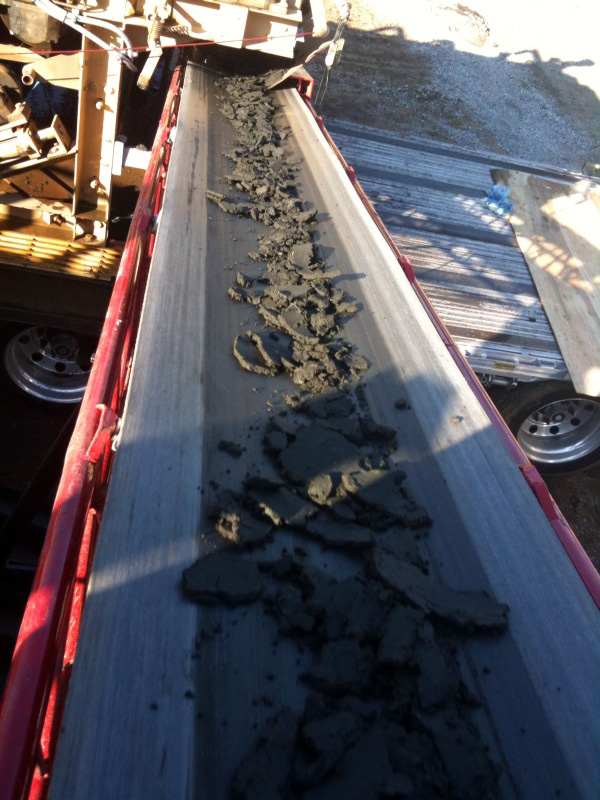
Unlike belt or screw conveyors that often struggle with viscous, sticky sludge, a properly designed sludge conveyor handles dewatered solids with less clogging or frequent maintenance. The TRS‑050 stands out by combining several corrosion‑resistant, heavy duty, and maintenance friendly components:

sludge conveyor- e-z lift conveyors
  • It uses a belt with smooth PVC covers on both sides, 200 lbs per inch of width work load, and stainless steel staple lacing.
  • Idler roller design: 1.9″ outside diameter PVC rollers with UHMW sleeve bearings and automatic lubricant release. Return idlers placed on 120″ centers; carrying idlers on 30″ centers.
  • Frame design uses high strength steel tubing: 7/8″ O.D. tubing on 12′ & 16′ lengths; for longer models (21′ to 36′) 1‑1/4″ O.D.
  • Safety and durability features like belt take‑up adjustments with stainless steel hardware, self‑cleaning drive & idler belt pulleys, and optional powder coat finish.

These specs make it a rock solid option for sludge, muck, dewatered solids, or other challenging material streams.

Corrosive Environments? No Problem

One of the biggest challenges for conveyor systems operating in wastewater treatment plants and sludge-heavy environments is corrosion. Constant exposure to moisture, acids, and organic matter can degrade traditional conveyor components quickly. The TRS‑050 sludge conveyor is specifically engineered to withstand these conditions. It features a powder-coated steel frame, with an optional upgrade to stainless steel for even greater corrosion resistance—ideal for aggressive or chemical-laden environments.

In addition to a rugged frame, the conveyor includes a smooth PVC belt with stainless steel staple lacing, which resists rust and wear more effectively than standard belts. Self-cleaning pulleys and idler rollers reduce material buildup, keeping the system running smoothly even when handling sticky, abrasive, or damp materials. These features work together to ensure the sludge conveyor performs reliably over time, even under the harshest operating conditions.

Best Practices for Operating a Sludge Conveyor Safely & Efficiently

Knowing what features a sludge conveyor brings is one thing—using them properly ensures longevity, safety, and minimized downtime. To get the most out of your TRS‑050 or any sludge conveyor:

  • Always match load type & weight to the conveyor’s capacity. Overloading sludge or solids can strain the belt, damage drives, or deform belt edges.
  • Regularly inspect rollers, idlers, and pulleys. Replace worn rollers that cause belt sagging or misalignment.
  • Use the optional drip pan under the returning belt (within frame) if provided, to capture overflow or liquid carryback.
  • Maintain belt tension and take-up adjustments—stainless steel hardware helps here. If tension is too loose, belt slippage, wear, and tracking issues arise.
  • Clean the conveyor surfaces, especially pulleys and rollers, to prevent material buildup. Sludge can cake up, which degrades performance and increases corrosion.

Many of these practices align with OSHA’s conveyor safety standards, which emphasize guarding, emergency stops, and proper maintenance protocols to prevent injury and ensure equipment reliability.

Use Cases & Match‑Fit Applications

The TRS‑050 is ideal in settings where sludge conveyor performance often fails:

  • Water treatment plants handling dewatered sewer sludge.
  • Sites with frequent wash‑downs, humidity, or exposure to corrosive chemicals.
  • Applications where sticky or viscous solids (mud, sludge, fine solids) are being transferred, and belt conveyor style is better than screw or auger style due to lower clogging.

Because the belt speed is approx. 140 feet per minute and the conveyor comes in belt widths ranging from about 18″ to 24″ (depending on model) with different model lengths, you can size the unit to your throughput requirements. 

Why Investing Quality Pays Off

A well‑built sludge conveyor like the TRS‑050 isn’t just a purchase—it’s an investment in reliability, worker safety, and lower maintenance burden. With features like corrosion‑resistant components, self‑cleaning idlers, strong frame design, and high load capacity, this model shows how specialist conveyors can solve problems others fail at.If handling sludge, dewatered solids, or sticky materials is part of your operations, choosing the right sludge conveyor can save hours of maintenance, costly downtime, and health risks for your crew. Explore E‑ZLIFT’s Sludge Conveyor models and parts specs to ensure you pick a unit built for your toughest conditions.

Boost Roofing Efficiency with the Chain and Flight Conveyor

When it comes to moving heavy roofing materials like tiles, bricks, and mortar, efficiency and safety are key. Carrying loads up ladders or relying on improvised methods like buckets on ropes can slow projects down and put workers at risk. That’s where a chain and flight conveyor comes in. EZLIFT’s Chain & Flight Towable Elevating Carriage (CF-TEC) is designed to streamline roofing projects by lifting materials quickly and securely to the work area, reducing manual labor and improving jobsite safety.

What Is a Chain and Flight Conveyor?

chain and flight conveyor- ez-lift conveyors

It is a specialized material handling system that uses a continuous chain with attached flights (paddles) to carry materials up an incline. Unlike belt conveyors, which rely on friction, the flights provide positive movement, making them ideal for steep inclines and heavier loads—perfect for roofing applications where materials need to travel vertically.

EZLIFT’s CF-TEC model combines portability with power. It’s towable, easy to set up, and capable of moving large quantities of roofing materials efficiently, even on uneven or rugged terrain.

Traditional Alternatives and Their Limitations

Before modern conveyors, roofers relied on methods like ladders, forklifts, or boom trucks to move materials. While these approaches are still used, they come with notable downsides:

  • Forklifts: Effective in warehouses, but construction sites often have rough terrain, making them less stable and harder to maneuver. They also require certified operators and transport to the site.
  • Boom trucks: Useful for heavy lifting but costly to operate and less precise for positioning materials directly where roofers need them.
  • Safety hoist ladders: Offer more protection than manual hauling but are slower and require careful packing and unpacking at each stage.

A chain and flight conveyor solves many of these issues by providing direct, continuous movement of materials without repacking or special equipment.

Key Benefits of EZLIFT’s Chain and Flight Conveyor

The Towable Elevating Carriage stands out among roofing conveyors for its unique combination of speed, portability, and ease of use:

  • Fast Setup and Operation: Two workers can have it assembled and running in about four minutes, making it ideal for fast-moving job sites.
  • Labor-Saving Design: Capable of replacing multiple manual laborers, the conveyor lifts materials so roofers can stay focused on installation rather than transport.
  • High Capacity: The CF-TEC can move over 3,200 square feet of roof tiles per hour, dramatically accelerating project timelines.
  • Versatile Use: It’s effective for both installation and demolition, since it can transport materials upward or backward for tear-off jobs.
  • Portable and Compact: The conveyor’s towable frame makes it easy to transport with a trailer or van and simple to reposition on-site, even where ground conditions are uneven.

Why Choose a Chain and Flight Conveyor for Roofing?

For roofing contractors, time and safety directly impact profitability. By reducing manual handling, a chain and flight conveyor minimizes fatigue and the risk of injury, helping teams meet deadlines without sacrificing safety standards. The positive engagement of the chain and flight design ensures materials stay secure during transport, even on steep angles common in roofing projects.

Compared to forklifts or boom trucks, the CF-TEC offers a cost-effective alternative that doesn’t require certified operators or expensive storage. Its compact size also makes it practical for residential and small commercial projects where space is limited.

A Smarter Way to Move Roofing Materials

Investing in a chain and flight conveyor like EZLIFT’s CF-TEC is about more than convenience—it’s about building safer, faster, and more efficient workflows on the job site. Whether you’re installing new roofing tiles or removing old materials during demolition, this conveyor system adapts to your needs and keeps projects moving forward.Learn more about the Chain & Flight Towable Elevating Carriage and explore how EZLIFT can support your next project. For questions or quotes, contact our team today—we’re here to help you work smarter, not harder.

Boosting Jobsite Productivity: The Power of Conveyor Accessories

When you’re working in construction, demolition, landscaping, or recycling, time really is money. And if you’re using conveyor systems to move material, there’s a good chance you’ve already improved your efficiency. But what many crews overlook are the conveyor accessories that can take that productivity even further.

At EZLIFT Conveyors, we’ve seen firsthand how the right add-ons can simplify workflow, improve safety, and make a real difference in day-to-day operations. Whether it’s a hopper to reduce spillage, casters to make your system more mobile, or control panels that fine-tune your setup—these aren’t just extras. They’re tools that help you get the job done faster and smarter.

What Are Conveyor Accessories?

Put simply, conveyor accessories are add-ons or modular components that enhance the performance of your conveyor system. They’re not required to make a conveyor function, but they often make it function better—especially in real-world jobsite conditions.

The right accessories can help you:

  • Load material more efficiently
  • Move equipment with less effort
  • Control material flow and conveyor speed
  • Adapt to different phases of a job
  • Extend the life of your conveyor

Here’s a closer look at some of the most impactful options available through EZLIFT.

Hoppers: Load Without the Mess

conveyor accessories- troughing slider belt conveyor

If you’re loading bulk materials like debris, dirt, or shingles, a hopper is a smart addition. As one of the most effective conveyor accessories, it provides a defined entry point and helps control the flow of material—minimizing spillage and manual handling.

For example, the Troughing-Slider Belt Conveyor is available with optional hoppers that help manage loose materials and reduce cleanup. It’s ideal for demolition sites or landscaping jobs where you’re feeding material from a skid steer, wheelbarrow, or by hand.

Casters: Roll With It

conveyor accessories- floor to floor tire conveyor

Mobility is a big deal on multi-phase jobs or tight job sites. That’s where casters come in. These heavy-duty wheels let you move your conveyor without needing a forklift or crew of four.

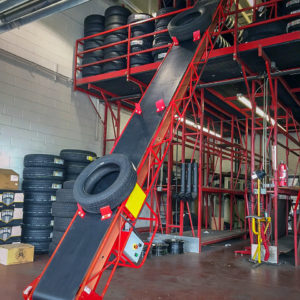
The Floor-to-Floor Tire Conveyor comes standard with a portable stand equipped with swivel casters, allowing for easy movement and repositioning without heavy lifting equipment. For added versatility, you can also opt for a stand with casters and a hand winch for adjustable-height applications. Whether you’re moving tires across service bays or repositioning the conveyor between work zones, casters keep things rolling smoothly and efficiently.

Controls: Get More Precision

conveyor accessories- chain & flight conveyor

Sometimes, you don’t just want your conveyor on or off—you want to control the speed, direction, or timing of the belt. That’s where control systems come in.

Take the Chain & Flight Conveyor (C&F-050), for example. This unit offers flexible control options, including toggle switches and the ability to add custom variable-speed setups. These conveyor accessories are especially valuable when you’re managing flow rates for roofing materials or masonry work—ensuring material is delivered safely, steadily, and exactly where it’s needed.

Other Must-Have Accessories

Depending on the worksite, other conveyor accessories can be just as important:

  • Cleated belts help move materials up steeper inclines without sliding back.
  • Adjustable stands let you fine-tune height and angle.
  • Power cord extensions provide more flexibility on larger or remote sites.
  • Covers and drip pans are useful for wet or messy jobs, like handling mulch, sand, or slurry.

These options allow you to build a system that’s tailored to the job—not just one that gets by.

Build a System That Works for You

Your conveyor system is a serious investment—but it should be working as hard as you are. With the right conveyor accessories, you can customize your setup for efficiency, safety, and simplicity.

Whether you’re renting or buying, the team at EZLIFT is here to help you choose the right configuration for your materials, crew, and budget. Explore our full line of products and accessories or reach out today to learn how to optimize your next project.

document.addEventListener('DOMContentLoaded', function() { document.querySelectorAll('a[href^="tel:"]').forEach(function(link) { link.addEventListener('click', function() { gtag('event', 'phone_click', { 'event_category': 'engagement', 'event_label': link.getAttribute('href'), 'value': 1 }); }); }); });