
Construction Conveyor Safety: Best Practices and OSHA Tips for Safer Jobsites

Safety is a top priority on any jobsite, especially when heavy materials are constantly on the move. A construction conveyor plays a critical role in improving efficiency, but without proper safety measures, it can also introduce risks. Understanding best practices and OSHA guidance helps contractors protect workers, reduce downtime, and get the most value from their equipment.
This guide breaks down construction conveyor safety in a clear, practical way so crews can work smarter and safer on every project.
Why Construction Conveyor Safety Matters
A construction conveyor reduces the need for manual lifting, hauling, and repetitive movement. That alone helps lower the risk of strains and injuries. However, conveyors involve moving belts, motors, electrical components, and elevated sections that must be handled correctly.
OSHA identifies conveyor systems as equipment that requires proper training, guarding, and maintenance. When safety steps are ignored, even a reliable construction conveyor can become a hazard. When safety is prioritized, conveyors significantly improve productivity while keeping crews protected.
OSHA Guidelines Contractors Should Know
OSHA does not publish a single standard dedicated only to conveyors, but multiple regulations apply directly to construction conveyor use. Key OSHA principles include:
- Proper machine guarding to prevent contact with moving parts
- Electrical safety compliance for motors and controls
- Training workers on safe startup, shutdown, and emergency procedures
- Maintaining clear walkways around equipment
Following OSHA guidance helps ensure that every construction conveyor on site meets baseline safety expectations and reduces liability for contractors and site managers.
Proper Setup Is the First Safety Step
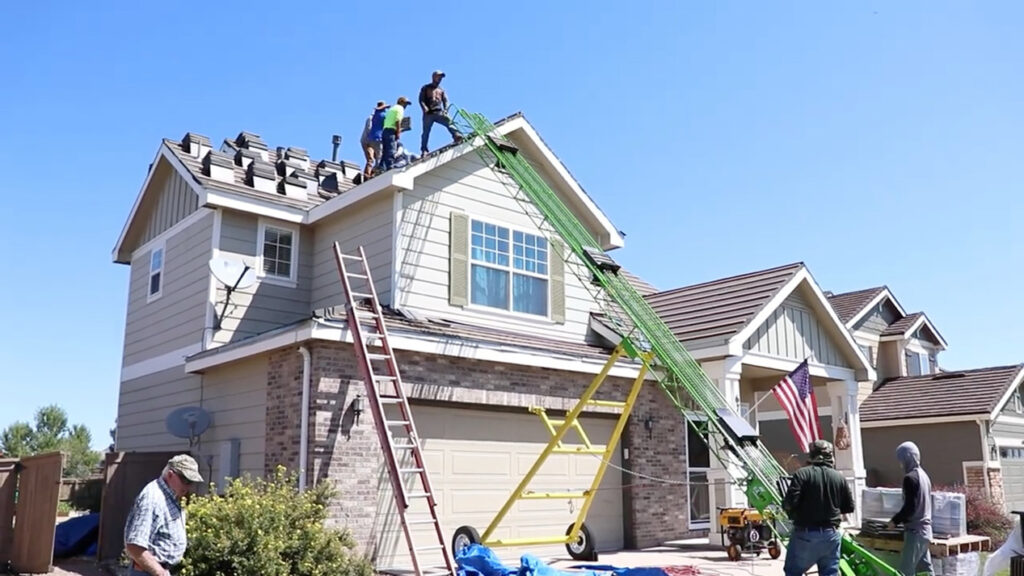
Many conveyor related accidents happen during setup. Before powering on a construction conveyor, crews should inspect the area and confirm stable placement.
Important setup considerations include:
- Ensuring the conveyor is placed on level ground
- Securing wheels or supports to prevent shifting
- Confirming incline angles stay within manufacturer recommendations
- Keeping the conveyor path clear of foot traffic
E-ZLIFT conveyors are designed for portability, but even portable systems require careful placement to maintain safety throughout the job.
Guarding Moving Parts and Pinch Points
One of the most important safety measures for any construction conveyor is guarding. Moving belts, rollers, and drive components can create pinch points that pose serious risks.
Best practices include:
- Never removing factory installed guards
- Keeping hands, clothing, and tools away from moving components
- Shutting down the conveyor before clearing jams
- Making sure guards are secure after maintenance
OSHA frequently cites missing or damaged guards during inspections, making this a critical area of compliance.
Training Operators and Crew Members
A construction conveyor should only be operated by trained personnel. Training does not need to be complicated, but it must be consistent.
Operators should understand:
- How to start and stop the conveyor safely
- Weight and material limits for the system
- Emergency stop procedures
- How to identify abnormal sounds or movement
When everyone on site understands how the construction conveyor operates, accidents are far less likely to occur.
Safe Loading and Material Handling
Overloading is a common issue that affects both safety and equipment lifespan. Each construction conveyor is designed for specific material types and capacities.
To improve safety:
- Load materials evenly across the belt
- Avoid dropping heavy debris from excessive heights
- Never exceed rated capacity
- Use hoppers or chutes when appropriate
E-ZLIFT offers accessories that help control material flow and reduce spillage, making loading safer and more efficient.
Electrical and Lockout Safety
Construction conveyors powered by electricity must meet electrical safety requirements. Lockout and tagout procedures are essential during maintenance or repairs.
OSHA recommends:
- Disconnecting power before servicing
- Locking controls to prevent accidental startup
- Clearly labeling switches and controls
- Inspecting cords and plugs regularly
Electrical safety ensures the construction conveyor does not pose hidden risks during routine operation or service.
Routine Maintenance Keeps Jobsites Safer
A well maintained construction conveyor is a safer conveyor. Daily inspections can catch issues before they become problems.
Maintenance checks should include:
- Inspecting belts for wear or damage
- Checking fasteners and supports
- Ensuring guards are intact
- Verifying emergency stops function properly
E-ZLIFT conveyors are built for durability, but regular maintenance keeps them operating safely and reliably over time.
Building a Culture of Safe Material Movement
Safety is not a one time checklist. It is an ongoing mindset. When contractors choose the right construction conveyor, follow OSHA guidance, and train crews properly, conveyors become one of the safest tools on the jobsite.
E-ZLIFT designs construction conveyor solutions with safety, portability, and performance in mind. By combining reliable equipment with proven safety practices, contractors can move materials efficiently while protecting the people who matter most.